
Reviewed · SNORKELING
Sunset Snorkeling
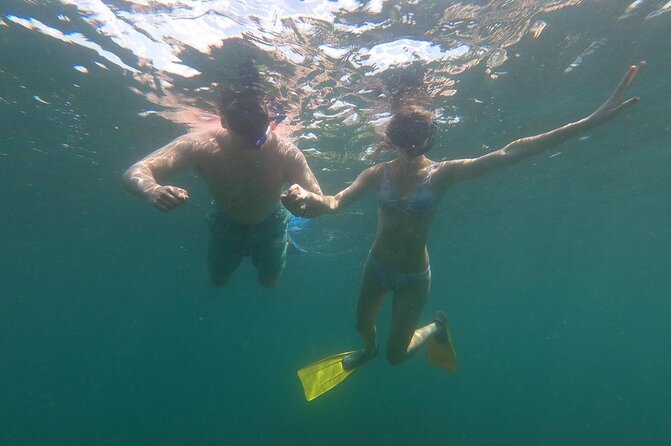
Rincón’s sea changes character at sunset. As daylight fades, you use special ultraviolet lights and mask filters to bring out colors that are easy to miss during the day. I like the small groups of up to 10, and I like that the session can count toward a night course. The main catch is important: PADI night certification and prior night experience are required, so this is not a casual first snorkel for most visitors.
The $79.99 price is reasonable if the equipment, instruction, and underwater time match the plan. But the description mixes snorkeling with night-dive language, and past outings have involved guides named Hayden, Laurel, Robert, Wes, and Ian. Confirm the exact format, equipment, and sea conditions before you pay.
Key points to know before sunset
- The session starts at 6 p.m. in Rincón: You meet at 460 C. Jose Perez and return to the same point after about 90 minutes.
- You leave the water before full darkness: This is a twilight outing, not necessarily a long after-dark session.
- UV equipment changes the view: Special lights and mask filters are intended to intensify reef and fish colors.
- Night certification is required: The experience is aimed at certified participants with prior night experience, not complete beginners.
- Small groups matter underwater: A maximum of 10 people gives the guide more room to watch the group and answer questions.
- Weather can change the plan: Poor conditions may lead to a new date or a full refund, while cancellations made less than 24 hours ahead are not refundable.
What this Rincón sunset session is really about
This is less about covering a large stretch of reef and more about seeing a familiar sea at an unusual hour. The water sits between day and night, which means some daytime creatures settle down while crabs, lobsters, octopus, and other nighttime life may become easier to spot.
The special gear is the hook. You use an ultraviolet light and a filter on your mask to make certain colors appear stronger. That can make small reef life more interesting, especially if you enjoy looking closely rather than simply swimming from one point to another.
You should keep your expectations measured. The outing lasts about an hour and a half, and the plan says you leave the water before dark. It is not presented as a long expedition into the night. Think of it as a short, controlled look at the transition from daylight to nighttime activity.
The experience is marketed as snorkeling, yet the qualifications and much of the practical language point toward a scuba-style night session. PADI night certification is required, and the activity may count toward a night course. That distinction matters. If you are booking because you want a relaxed surface snorkel, ask Great Escape PR exactly what equipment and water skills are expected.
Other reefs worth a mask around Rincon:
- Rincon Snorkeling Adventure
★ 5.0 · 231 reviews - Guided Coral Reef Snorkeling Tour
★ 4.0 · 127 reviews - Snorkeling Adventure in Aguadilla
★ 5.0 · 117 reviews
Meeting at 6 p.m. in central Rincón
The starting point is 460 C. Jose Perez, Rincón, Puerto Rico 00677. The tour begins at 6 p.m. and ends back at the same meeting point.
That fixed return point keeps the evening simple. You do not need to arrange a second pickup location, and the meeting area is near public transportation. Still, the information provided does not include parking details, so you should confirm where to leave your car if you are driving.
Arrive ready to move through the briefing without rushing. You will want time to confirm the meeting place, make sure your mask fits, and ask about the evening’s exact plan. A twilight activity has a firm clock built into it. A late start can mean less time in the best light.
The small maximum of 10 participants is one of the strongest practical features. Underwater activities become harder to manage when a group spreads out, especially as natural light fades. A smaller group gives the instructor more opportunity to keep an eye on each person and explain what you are seeing.
The first part of the outing: light, gear, and expectations
Before entering the water, your guide should explain how the ultraviolet light works, how to use the mask filter, and what changes once you are below the surface. You should also receive a clear safety briefing and a description of the route or viewing area.
The mask filter is not simply a tinted lens for ordinary sightseeing. It is intended to work with the special light, helping certain reef colors appear more strongly. That makes the equipment central to the experience rather than a minor extra.
The provided information does not name the instructor assigned to each departure. Guides who have led similar sessions include Hayden, Laurel, Robert, Wes, and Ian. Past participants especially valued clear explanations before entering the water, calm guidance for first-time night participants, and advice about other snorkeling, sea, and food spots around Rincón.
That is useful context, but do not assume a particular guide will lead your booking. Ask when you confirm if having a specific instructor matters to you.
Entering the water at the twilight hour
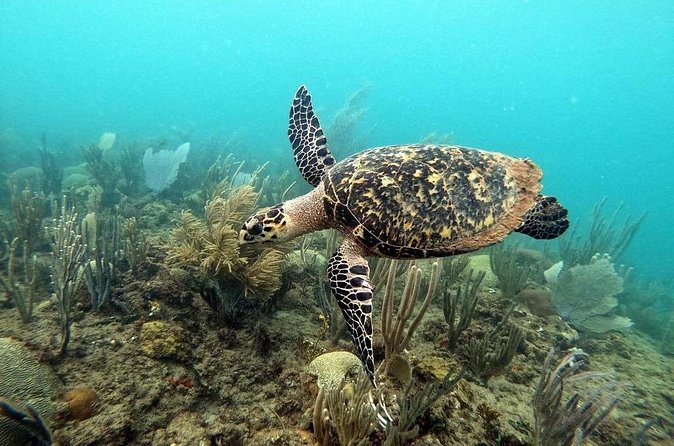
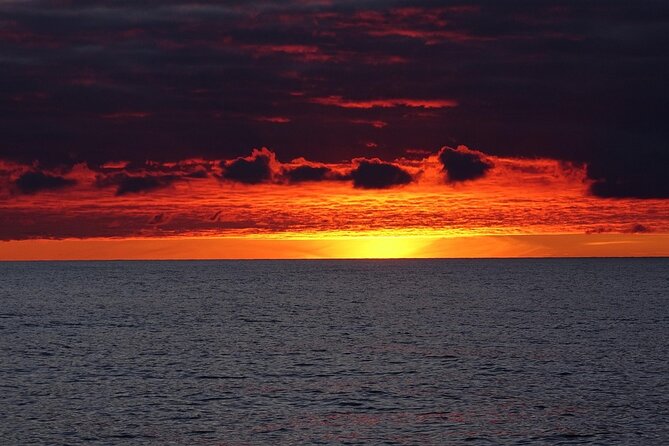
The timing is the main draw. You enter around sunset, when the sea is not yet fully dark and the remaining daylight still helps you get oriented. The plan says you exit before darkness is complete, so the session may feel more like a sunset twilight outing than a traditional late-night trip.
That can be a good choice if you are curious about nighttime sea life but do not want a long period in total darkness. You get a gentler transition, and the guide can introduce the lights and filters while some natural visibility remains.
The tradeoff is that you may not experience the full after-dark change described in a classic night outing. If your main goal is to spend a long time watching creatures that appear only after dark, ask how much of the session is actually done with the UV lights.
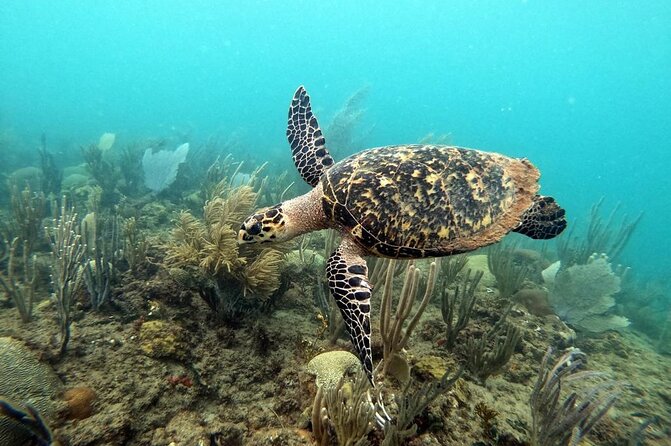
You might see crabs, lobsters, octopus, moray eels, basket starfish, turtles, and other Caribbean marine life. Those sightings are never guaranteed. The sea is not a display tank, and visibility, weather, water movement, and luck all shape the evening.
Bioluminescence may also appear, but it should be treated as a bonus rather than a promise. Some outings may produce an especially memorable glow, while others may offer more conventional nighttime wildlife. The strongest part of the experience is the change in mood and viewing method, not a guaranteed checklist of species.
Same island, a different sort of day:
- Horseback Riding through Secluded Beaches and Tropical Forests
★ 4.5 · 708 reviews - Adventure Chiliboats Waterbike in La Parguera
★ 5.0 · 107 reviews - Experience Scuba Diving / NO certification Needed
★ 4.5 · 104 reviews - Coral Reef Snorkel Adventure with Photos and Videos
★ 4.5 · 78 reviews
Why the UV lights and filters matter
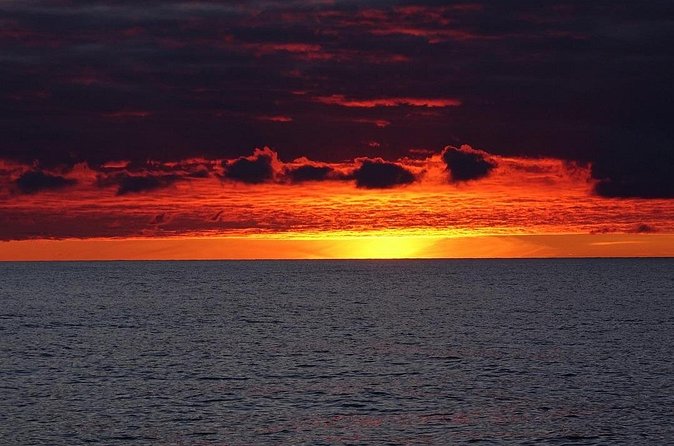
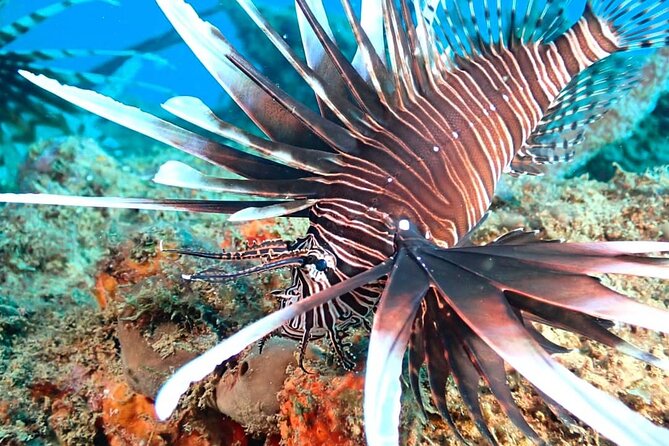
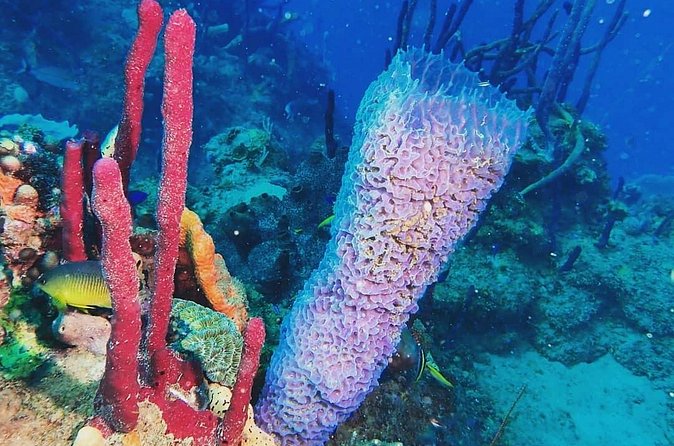
Ordinary underwater lighting can wash out color or leave you looking at a narrow bright spot surrounded by darkness. The special ultraviolet setup is meant to make reef organisms and fish show stronger color contrasts through the filtered mask.
That gives you a reason to slow down. Instead of scanning the water quickly, you may spend more time examining plants, small animals, and reef surfaces. This is particularly appealing if you enjoy photography or close observation, though the supplied details do not promise camera equipment or photo assistance.
One past session included tips from Robert that helped with underwater pictures. That suggests a guide may be able to offer useful advice, but it does not mean photography coaching is a standard part of every booking. If pictures are a priority, ask ahead about camera use and lighting.
The lights also create a practical responsibility. You need to know how they work before you leave the shore and what to do if one fails. One serious complaint described missing mask filters and malfunctioning lights. The operator disputed the safety claims in that case, so the details are not settled. Still, the concern is specific enough that you should check the gear before entering the water.
The marine life you might find after sunset
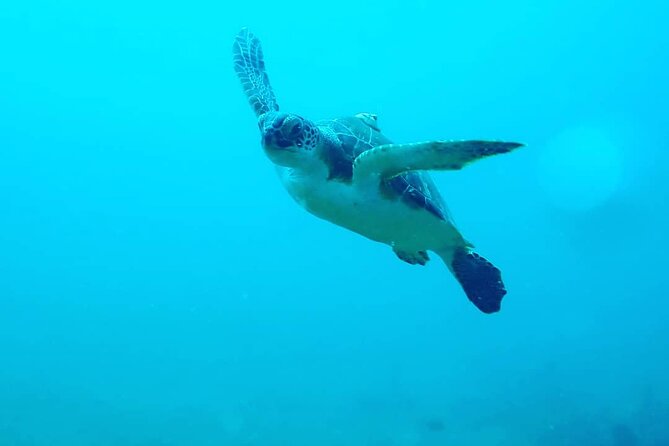
Night changes what you notice, even in a familiar Caribbean setting. Crabs and lobsters may be easier to spot as they move across the bottom. An octopus can be a memorable sight because it may blend into the reef, change position, or appear suddenly in the beam of a light.
You might also encounter a moray eel hunting, a basket starfish spread across the reef, or a turtle passing through. These sightings are drawn from the kinds of encounters reported on this experience, not guarantees for your date.
A good guide can make the difference between swimming past something and recognizing it. In a small group, you have a better chance of hearing where to look and of getting enough time to see the animal before the group moves on.
The activity can also suit you if you already know basic underwater behavior. You will be expected to manage your equipment, follow instructions, stay with the group, and remain comfortable as natural light fades. That is why the certification requirement should not be treated as a formality.
Safety, skill level, and the certification requirement
This is not the right pick for someone who has never been in the water at night. The stated requirement is PADI certification and night experience, and the session can count toward a night course. You should be comfortable with the relevant skills before booking.
That does not mean the outing has to feel tense. Several past sessions were praised for calm explanations, careful guidance, and a strong feeling of support, including one first saltwater night outing. Another family group described the experience as safe for their children who were taking part in a first night session, though the certification requirement still applies.
You should tell the operator about your experience honestly. Someone used to quarry conditions but less comfortable in open ocean may need more preparation. The provided information includes a disagreement about whether rough sea conditions made a separate booking unsafe. The operator said the outing was not unsafe, while the customer described strong currents and waves.
Because the accounts conflict, I would not treat either side as a complete safety policy. Instead, ask three direct questions before the day of the trip: What are the conditions expected to be? What happens if the guide decides the water is unsuitable? What equipment will be provided, including the UV light and mask filter?
The weather policy is clear enough. If poor weather cancels the experience, you should be offered another date or a full refund. That protection is useful, but it does not replace a conversation about currents, wind, visibility, and the guide’s decision-making on the day.
Is $79.99 a fair price?
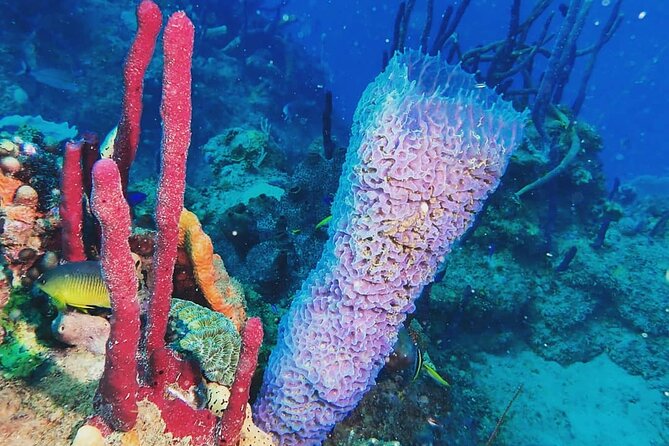
At $79.99 per person, the value depends on what you receive in the water. The fee is easier to justify if it includes the special lights, filtered masks, instruction, and a genuine small-group format. A maximum of 10 is more appealing than an open-ended crowd because the guide can spend more time keeping the group together and pointing out marine life.
The price is less attractive if you expect a long after-dark session and receive only a short twilight swim. The advertised duration is about 90 minutes, and you exit before full darkness. That is enough time for a focused experience, but it is not an all-evening program.
Group discounts may improve the cost for families or friends who book together. A mobile ticket makes it easy to carry the reservation on your phone, and confirmation is issued at booking. The free cancellation window also adds some value: cancel at least 24 hours before the start time for a full refund.
The strict cutoff matters. Cancellations or changes made less than 24 hours before the 6 p.m. start are not accepted for a refund. Before booking, check the forecast and make sure every participant meets the qualification requirement.
Who will enjoy this most
I would recommend this to a certified participant who already likes underwater exploration and wants a different view of Rincón’s sea. You will get the most from it if you enjoy looking for small creatures, asking questions, and using lights carefully rather than rushing through a list of attractions.
It also suits someone working toward a PADI night course, since the activity may count toward that training. Confirm the credit with the operator before assuming it will satisfy a formal course requirement.
This is a weaker match for a casual visitor seeking a first snorkel, someone who dislikes reduced visibility, or anyone expecting a guaranteed turtle, octopus, or bioluminescence sighting. The certification rule alone should steer many beginners toward a daytime activity instead.
Families should read the requirements closely. A past outing included children, but the supplied details do not state a minimum age or explain how children are assessed. Ask Great Escape PR directly before booking for younger participants.
Booking advice for a smoother evening
Use the mobile confirmation, but do not rely on it alone for the meeting details. The start point is specific, and arriving late can reduce your time in the water.
Ask what snorkeling means for your departure. The title and description use snorkeling language, while the certification requirement, night-course credit, and several past sessions point to scuba-style instruction. That is the single most important detail to settle before payment.
Also confirm:
- Which guide is scheduled, if that matters to you
- What mask filters and lights are included
- How the operator handles poor visibility or rough conditions
- How much time is spent after sunset
- Whether your PADI certification meets the requirement
These questions are not needless fussing. They help match your expectations to the actual session and give you a chance to spot equipment or safety concerns before entering the water.
Should you book the Sunset Snorkeling experience?
Book it if you already hold the required PADI night qualification, want a short twilight outing, and are excited by the chance to look for octopus, crabs, lobster, reef plants, and other sea life under special lighting. The small group, potential course credit, and return to the same meeting point all work in its favor.
Skip it if you are a complete beginner, want a standard daytime snorkel, or expect a guaranteed fully dark session with dramatic bioluminescence. At $79.99, the experience is a fair buy when the UV equipment is working and the format matches your expectations.
My practical advice is simple: confirm the snorkeling-versus-scuba format, inspect the special gear, and ask about conditions before you enter the water. If those answers are clear, this can be a memorable way to see Rincón’s sea as the day gives way to night.
FAQ
Where does the Sunset Snorkeling experience begin?
You meet at 460 C. Jose Perez, Rincón, Puerto Rico 00677. The activity begins at 6 p.m. and ends back at the same meeting point.
How long does the experience last?
The session lasts approximately 1 hour and 30 minutes.
Is night certification required?
Yes. PADI certification and night experience are required for this activity.
Does the outing continue after dark?
The activity begins before sunset, and the stated plan is to leave the water before full darkness.
How many people can join?
The maximum group size is 10 participants.
What happens if poor weather cancels the activity?
You can choose a different date or receive a full refund if the experience is canceled because of poor weather. For your own cancellation, you must cancel at least 24 hours before the start time for a full refund.
Just added in Rincon
- Sunset Horseback Ride by the Beach in Aguadilla, Puerto Rico★ 3.5 · 3 reviews
- Rincon Tour Sunset & Nightlife Experience★ 5.0 · 5 reviews
- Explore Puerto Rico’s West Coast★ 5.0 · 18 reviews
- Rincón UTV Sunset Adventure: Explore & Chase the Perfect Sunset★ 5.0 · 4 reviews
- Private Rincon Snorkeling Adventure★ 5.0 · 16 reviews
- Aguadilla UTV Off-Road Tour to Faro Ruins!★ 5.0 · 11 reviews
- Puerto Rico: Crash Boat UTV Experience with Snorkel Gear★ 4.5 · 15 reviews
- OCTOPUS DIVING (hookah diving) NO Experience Needed★ 4.0 · 9 reviews
Snorkeling, compared.
San Juan Guided Snorkel With Turtles Tour and Videos
Read our review →
Culebra Snorkeling Tour by Catamaran from Fajardo
Read our review →
All Inclusive Snorkel and Slide Boat Tour: Icacos or Vieques
Read our review →
Puerto Rico Jet Snorkel with Turtles and Videos in San Juan
Read our review →
Icacos Deserted Island Catamaran, Snorkel, and Picnic Cruise
Read our review →
Culebra Snorkel and Turtle Adventure with Transport
Read our review →
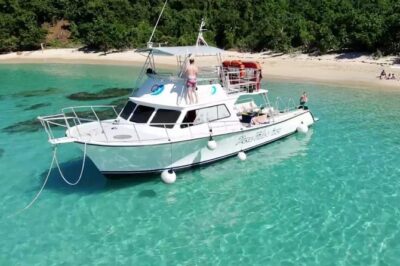
Culebra Snorkeling and beach Day Experience by boat
Read our review →Browse the lists this tour appears in